
4 Common Financial Scams Putting Businesses at Risk
When many business owners think about fraud, they picture sophisticated cyberattacks or international hacking rings. Some of the costliest fraud impacting Maine businesses are low-tech: paper checks, phone calls, text messages, and everyday processes that feel routine and trustworthy.
Community banks and treasury teams across the state are seeing a clear trend: scammers are targeting operational habits and human trust. Understanding how scams work is the first step toward protecting your business. These are just a few of the scams businesses need to be aware of:
Scam #1: Fake and Altered Check Fraud
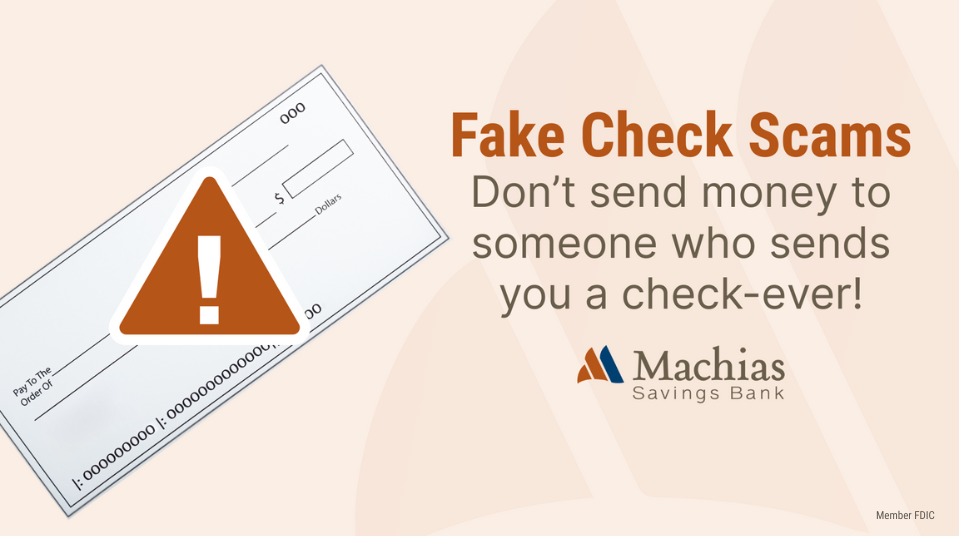
Check fraud is surging nationwide, and Maine businesses are increasingly being targeted. These scams often begin with what appears to be a legitimate transaction: a customer payment, a refund, or a check from a known vendor.
The problem emerges later. A check that initially appears to clear is returned days or weeks afterward as fraudulent. By then, funds may already have been spent, and the loss becomes the business’s responsibility.
Mailed checks remain especially vulnerable. They can be stolen, chemically “washed,” rewritten to a different payee, and redeposited without immediate detection. Because these transactions often follow established internal processes, they can bypass suspicion until it’s too late.
Scam #2: Deepfake Voice and Executive Impersonation Scams
Advances in AI have made voice impersonation cheaper, faster, and far more convincing. Fraudsters can now replicate the voice of a company executive or trusted vendor using only short audio samples, many of which are readily available online.
Imagine this scenario, based on patterns banks are increasingly seeing: A Maine contractor mails a large check to a supplier. Shortly after, an accounts payable employee receives a phone call from someone who sounds exactly like the company’s CEO. The caller explains there is an urgent issue with a vendor and requests a second payment to keep the project on schedule.
The voice is familiar. The urgency feels real. Wanting to avoid delays, the employee complies. By the time fraud is discovered, both checks have cleared. Because the transactions were internally authorized and involved mailed checks, the business absorbs the loss.
Scam #3: Gift Card Scams Targeting Employees
Gift card scams persist because they exploit trust and speed. Scammers often pose as business owners, supervisors, or financial institutions, contacting employees by text or phone with urgent requests.
The message may ask an employee to quickly purchase gift cards to resolve a problem, secure a deal, or help a client. The request feels informal and time-sensitive, making it easier to bypass normal approval processes.
Once the gift card numbers are shared, the funds are gone and recovery is nearly impossible. These scams are particularly effective in workplaces without clear guidelines for payment requests or escalation procedures.
Scam #4: Work-From-Home and Employment Scams
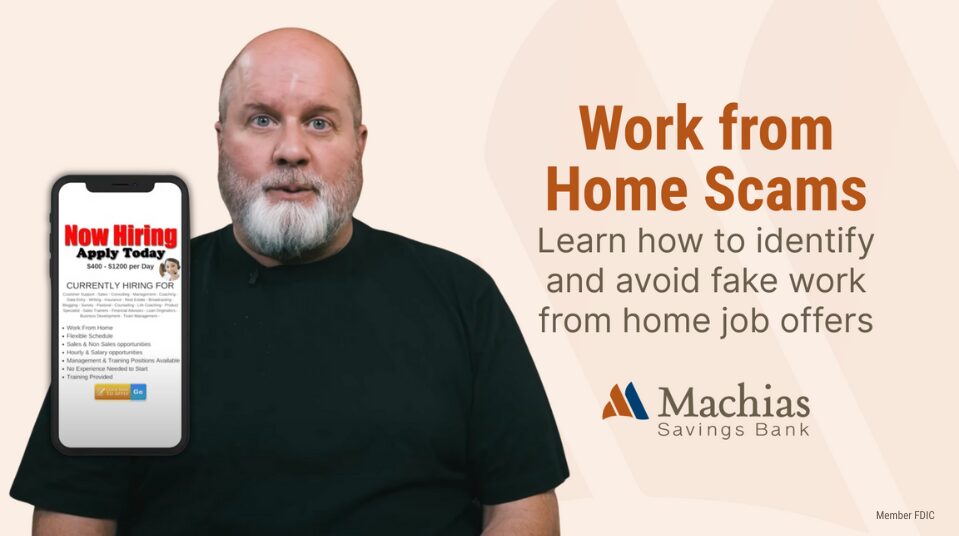
Work-from-home scams continue to catch businesses and individuals off guard. These schemes often start with an unsolicited message offering flexible hours, quick pay, or a role that seems well matched to the recipient’s experience.
Shortly after, scammers request personal or banking information under the guise of onboarding, training, or payment setup. In some cases, victims are asked to share account details or deposit funds as part of the “job.”
Once that information is provided, accounts can be drained or identities compromised within hours, creating ripple effects for both employees and employers.
Why Awareness Matters
At relationship-driven community banks like Machias Savings Bank, treasury teams work closely with Maine businesses that assume fraud prevention is primarily a bank function. The most effective protection comes from partnership.
Banks can provide monitoring tools, education, and fraud-prevention services. Businesses play a critical role by slowing down transactions, verifying unusual requests through secondary channels, and empowering employees to question urgency.
Fraud often succeeds not because processes fail, but because they work exactly as designed: without pause or verification.
Learn More: Fraud Prevention Resources for Maine Businesses
For short, practical guidance from Machias Savings Bank’s treasury team, watch these brief fraud prevention videos:

Say YES to Treasury Services backed by personalized support
Treasury Services are specialized, comprehensive solutions designed to help commercial clients streamline and secure their financial operations. At Machias Savings Bank, that comes with trusted guidance, local decision-making, and a team that puts your business first. Explore Treasury Services.


Contact Us
Fill out the form below and a member of our team will be in touch.
"*" indicates required fields
Our Disclosures
For informational purposes only. There is NO WARRANTY, expressed or implied, for the accuracy of this information or its applicability to your financial situation. Please consult your financial and/or tax advisor.